


Food brands are getting a nudge to rethink the jumbo pack. In a September 23 report, research firm NIQ says smaller formats are gaining momentum as households balance tighter budgets with how much they can realistically use.
For this week’s grocery list, that raises a useful question: how much of the bigger pack will actually make it into a meal?
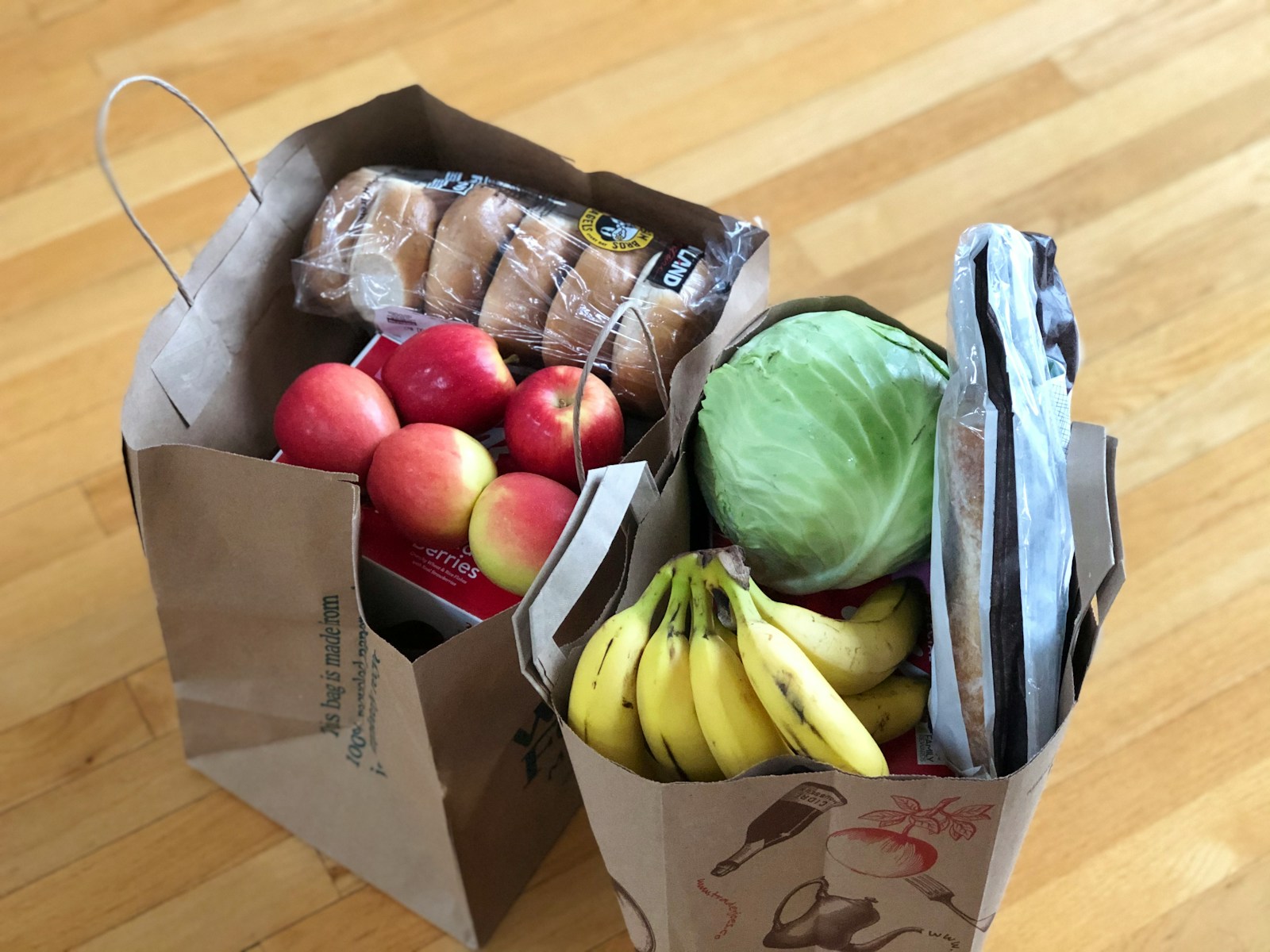
Compare two kinds of value
The shelf’s unit price helps you compare the cost per ounce, pound or item. Your meal plan helps you work out whether you need that much.
Imagine two bags of apples: five for $3, or ten for $5. Those are made-up prices, but the choice is familiar. The larger bag costs less per apple. If your household will only eat five and the rest goes unused, the smaller bag leaves $2 in your budget.
A big pack can still be a good fit when you have a use for all of it. The useful comparison includes the amount you expect to eat, the cash you need at checkout and the storage space you have.
Give one big pack a job
Before shopping today, pick one perishable item you often buy in a large size. Write down where it will go this week.
A bag of spinach: some in Monday’s pasta, the rest in Tuesday’s bean soup.
A tub of yogurt: breakfast bowls and a sauce for a planned dinner.
A bag of apples: count the snacks your household will actually need.
Check the quantities in those meals, then choose the pack that fits. If the second use feels like a chore you probably won’t get to, buy less.
You don’t need to redesign your entire shop. Try this with one item and see what’s left before the next grocery run.